Bespoke Furniture
Furniture typologies designed and made for private residential interiors.
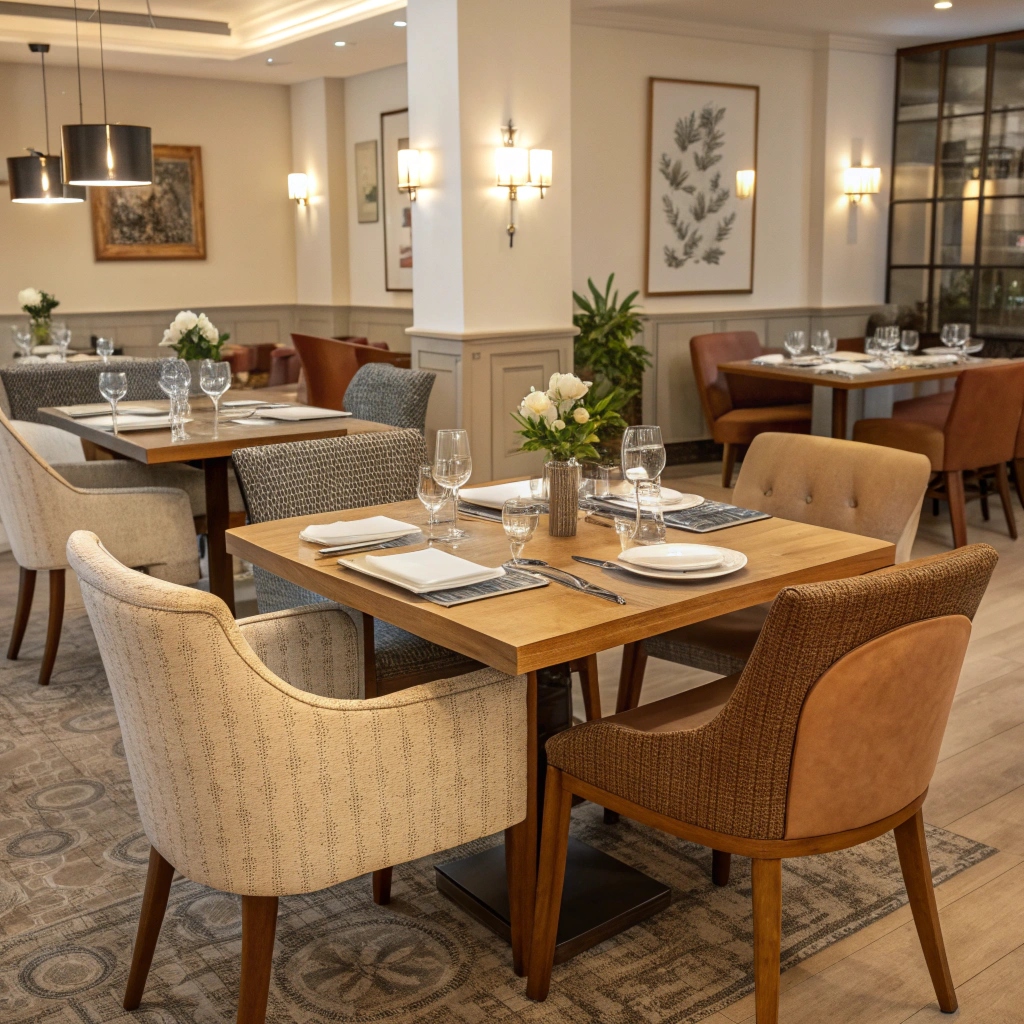
Dining Tables and Seating
Dining tables are designed to accommodate the specific requirements of the space and the number of diners. The table form responds to the room's proportions and the client's preferences for material and detailing.
Seating is considered in relation to the table, with attention to comfort, proportion, and the relationship between the two elements. Chairs may be designed as a set or as individual pieces that complement the table.
Materials are selected for their suitability to dining use, with consideration given to surface treatment and maintenance requirements.
Storage and Cabinetry
Storage furniture addresses the practical requirements of organising and concealing belongings while contributing to the interior's aesthetic. Cabinetry may be freestanding or built-in, depending on the architectural context.
The internal organisation is designed to accommodate specific items or collections. Drawers, shelves, and compartments are proportioned according to their intended contents.
Hardware selection and placement are considered as part of the overall design, with custom-made or carefully selected handles and hinges contributing to the piece's character.
Bedroom Furniture
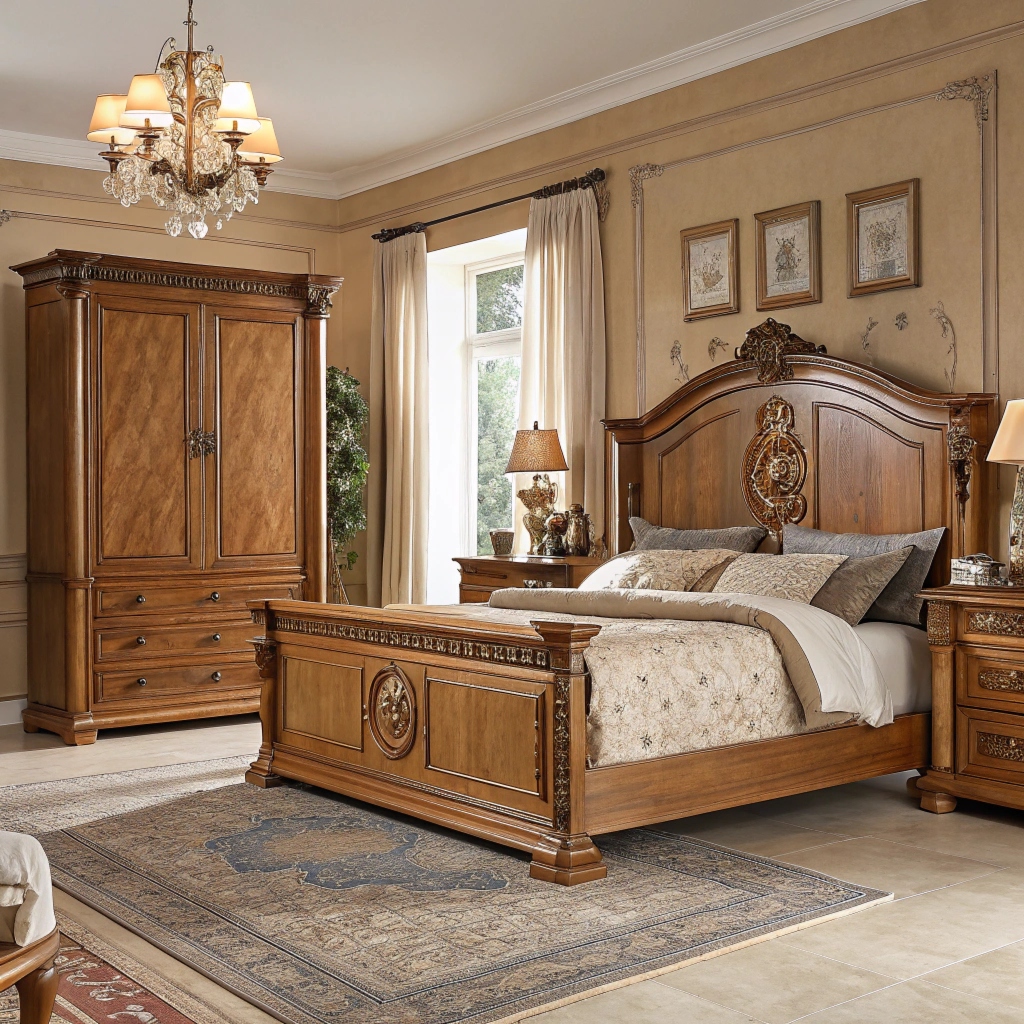
Bedroom furniture includes beds, wardrobes, chests of drawers, and bedside tables. Each piece is designed to function within the bedroom's layout and to contribute to a calm, ordered environment.
Storage solutions are integrated to accommodate clothing and personal items efficiently. The scale and proportion of bedroom furniture are considered in relation to the room's dimensions and the bed's presence.
Materials and finishes are selected to create a restful atmosphere, with attention to texture and colour that supports the room's overall character.

Library and Study Furniture
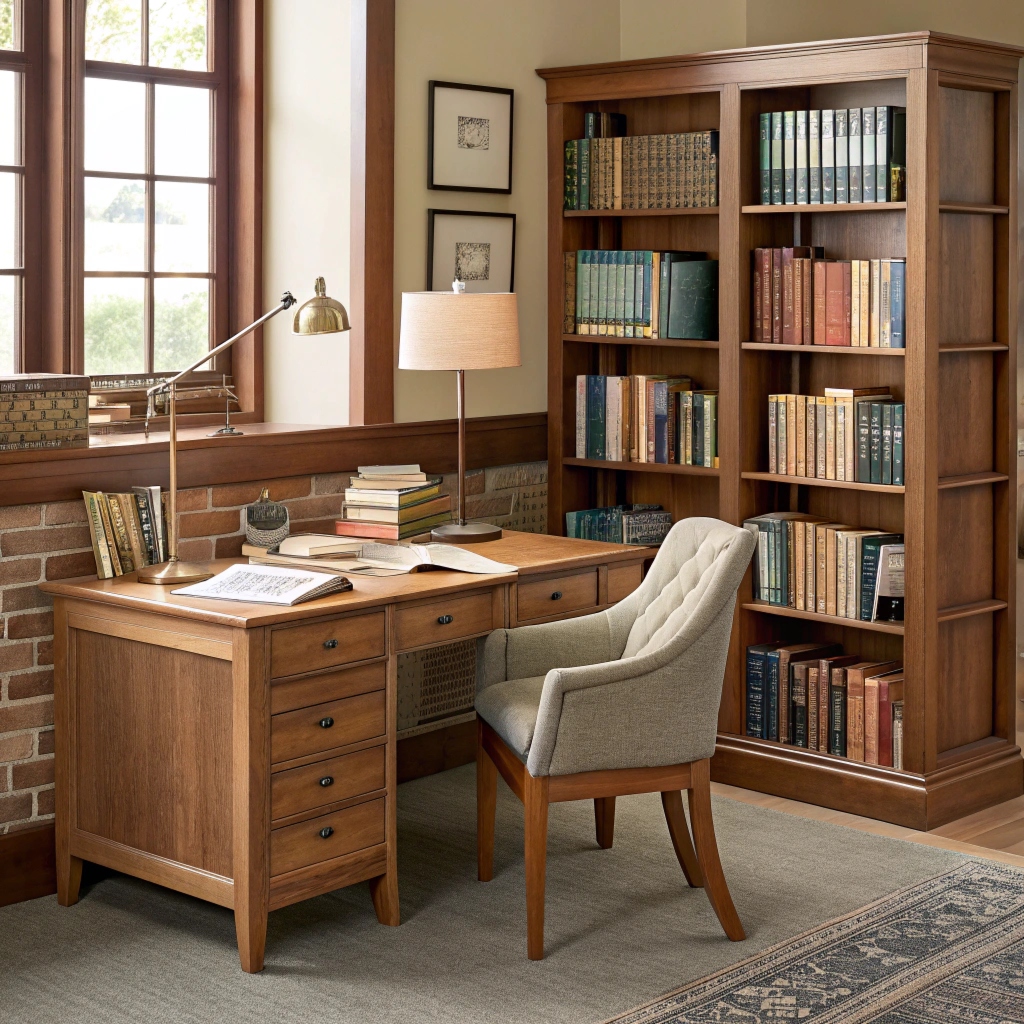
Library furniture is designed to house and display books and collections. Shelving systems are engineered to support the weight of books while maintaining visual clarity and accessibility.
Study furniture includes desks, bookcases, and reading chairs. The desk is designed to accommodate work requirements, with consideration given to storage, lighting, and the relationship between the desk and surrounding furniture.
Built-in library systems integrate with the room's architecture, creating a cohesive environment for reading and study.
Console and Side Tables
Console tables serve as surfaces for display or practical use in hallways, dining rooms, or living spaces. The form responds to the wall against which it is placed and the scale of the surrounding space.
Side tables are designed to complement seating, providing surfaces for lamps, books, or drinks. Their scale and height are considered in relation to the adjacent seating.
These pieces often serve as opportunities for material expression and detailed joinery, as they are frequently viewed at close range.
Kitchen Joinery
Kitchen joinery is designed to integrate with the kitchen's functional requirements and architectural character. Cabinetry provides storage and work surfaces while contributing to the room's aesthetic.
The layout responds to the kitchen's workflow, with consideration given to the relationship between preparation, cooking, and storage areas. Internal organisation accommodates specific kitchen equipment and supplies.
Materials are selected for their suitability to kitchen use, with attention to moisture resistance, durability, and maintenance requirements.
Custom Solutions
Each piece of furniture is designed to address specific functional requirements while contributing to the interior's overall character. The design process considers the space's proportions, lighting, and existing architectural elements.
Custom solutions may involve built-in furniture that integrates with the architecture, or freestanding pieces that complement the space. The approach is determined by the project's specific needs and constraints.
Design Considerations
Proportion and Scale
The relationship between furniture and space is carefully considered. Proportions respond to room dimensions, ceiling height, and the presence of other elements.
Material Integration
Materials are selected to complement existing finishes and architectural elements. The choice considers both aesthetic harmony and practical requirements.
Functional Organisation
Internal organisation is designed to accommodate specific items or collections. Drawers, shelves, and compartments are proportioned according to their intended contents.
Built-in Furniture
Built-in furniture integrates with the room's architecture, creating a cohesive environment. The design responds to the space's specific dimensions and characteristics.
Installation is carried out on site, with final adjustments made to ensure proper fit and alignment. The result is furniture that appears as an integral part of the architecture.